
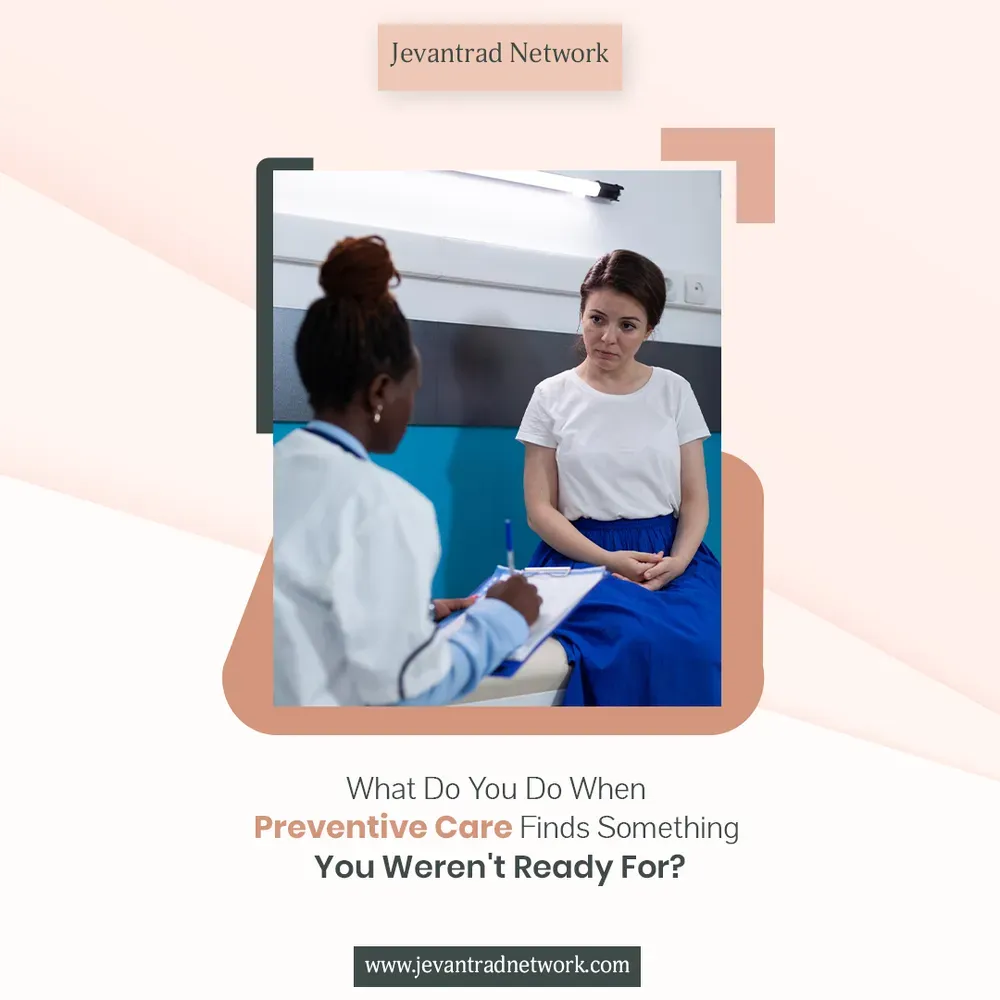
What Do You Do When Preventive Care Finds Something You Weren't Ready For?
Preventive care is one of the most powerful tools in modern medicine. Annual physicals, routine bloodwork, cancer screenings these are designed to catch problems early, when they're most treatable. But what happens when a routine visit uncovers something you weren't expecting? Whether you see your primary care provider (PCP) in person or through a telemedicine appointment, unexpected findings can turn a routine day into an emotional rollercoaster.
The Emotional Impact
Hearing unexpected news during what you thought was a routine checkup can be jarring. You might feel shock, fear, confusion, or even denial. These reactions are completely normal. The gap between "I feel fine" and "we found something" can feel enormous. Many patients report feeling numb or disconnected in the hours after receiving unexpected results from their primary care providers (PCP).
It's important to recognize that these emotional responses are your brain's way of processing new, potentially threatening information. Give yourself grace during this time. Whether you received the news during a virtual care appointment or an in-person visit with mobile healthcare providers, the emotional impact is real and valid.
What to Do Next
1. Don't panic ask questions.Your provider is there to help you understand what was found and what it means. Not every abnormal result leads to a serious diagnosis. Ask about the significance, the next steps, and the timeline. Mobile healthcare providers and primary care providers (PCP) are trained to walk you through results in a way that's clear and compassionate.
2. Get clarity on next steps.Whether it's additional testing, a referral to a specialist, or simply monitoring over time, make sure you leave with a clear action plan. If you're using telemedicine or virtual care, your provider can share documents, lab orders, and referrals digitally so you have everything documented.
3. Lean on your support system.Share the information with trusted family members or friends. You don't have to process this alone. Sometimes talking through your concerns helps you formulate better questions for your follow-up appointments.
4. Follow through.The worst thing you can do is ignore the findings. Early detection only works if you act on it. Schedule your follow-up appointments promptly, whether through virtual care or in-person visits.
5. Keep a health journal.Document your symptoms, questions, and any changes you notice. This information is invaluable for your primary care provider (PCP) and any specialists you may see.
Understanding Your Results: Common Scenarios
Not all abnormal results are cause for alarm. Here are some common findings that often cause unnecessary worry:
Slightly elevated cholesterolcan often be managed with dietary changes and increased physical activity before medication becomes necessary. Your primary care provider (PCP) can create a lifestyle modification plan tailored to your needs.
Borderline blood sugar levelsmay indicate pre-diabetes, which is highly reversible with the right interventions. Mobile healthcare providers can help you create a nutrition and exercise plan that fits your daily routine.
Thyroid irregularitiesare extremely common and often require simple medication adjustments. Regular monitoring through telemedicine appointments makes managing thyroid conditions convenient and consistent.
Vitamin deficiencieslike low vitamin D or B12 are widespread and easily correctable with supplements and dietary changes.
The Silver Lining
Finding something early is almost always better than finding it late. Many conditions caught through preventive care are highly treatable, especially when addressed promptly. Your body gave you a signal through the screening honor that by following through with care. Primary care providers (PCP) consistently emphasize that early detection is the single most important factor in successful treatment outcomes.
Consider this: patients whose conditions are caught through routine screenings have significantly better outcomes than those diagnosed after symptoms become severe. This is exactly why your primary care provider (PCP) recommends regular checkups not to scare you, but to empower you with knowledge and options.
How Telemedicine and Virtual Care Support Your Journey
After receiving unexpected results, the follow-up process can feel overwhelming. Telemedicine and virtual care make it easier to stay on track without the logistical burden of multiple in-person visits. You can schedule follow-up consultations from home, discuss results with specialists through virtual care platforms, and keep your primary care provider (PCP) in the loop all without taking time off work or arranging transportation.
Mobile healthcare providers can also come directly to your home for hands-on assessments, blood draws, or monitoring bringing the care to you during a time when leaving the house might feel like the last thing you want to do. Home care services ensure continuity of care and reduce the stress of navigating the healthcare system during an emotionally challenging time.
How We Can Help
At Jevantrad Network, we walk with you through every step from the initial screening to understanding your results and planning your next move. Our mobile healthcare providers and primary care providers (PCP) take time to explain findings clearly, answer every question, and ensure you feel supported throughout the process. Whether through telemedicine, virtual care, or mobile medical care at your home, we're here for you.
Remember:Preventive care isn't about finding bad news. It's about giving you the knowledge and the time to take control of your health. Book a virtual care visit or schedule a home care appointment with our mobile healthcare providers today your future self will thank you.


