
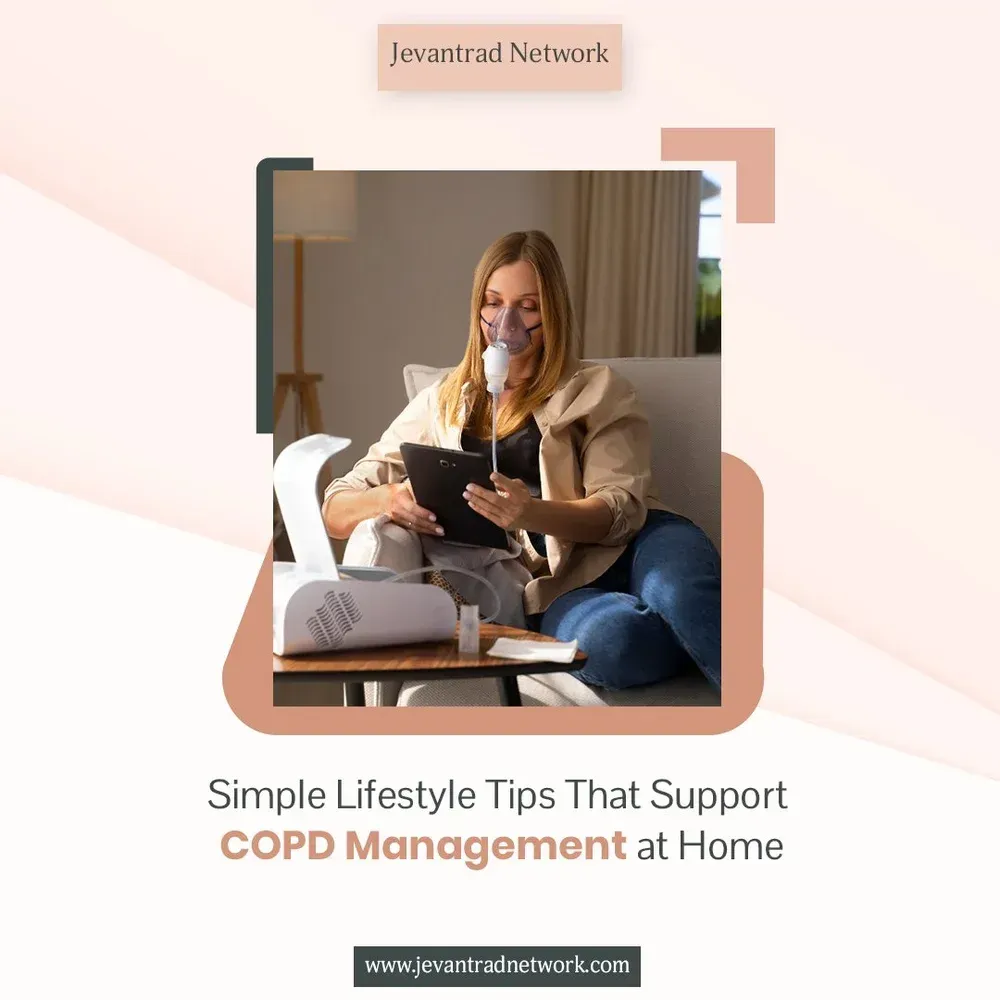
Lifestyle Tips That Support COPD Management
In This Article
Daily Habits That Make a Difference
Medication Management
Understanding and Avoiding Triggers
Know Your Warning Signs
The Role of Telemedicine and Home Care in COPD Management
Virtual Support
Chronic Obstructive Pulmonary Disease (COPD) affects millions of people worldwide. While there's no cure, effective management can significantly improve quality of life and slow disease progression. With the support of a dedicated primary care provider (PCP) and mobile healthcare providers, managing COPD at home has never been more achievable.
Daily Habits That Make a Difference
Breathing exercises. Pursed-lip breathing and diaphragmatic breathing can help you manage shortness of breath and improve oxygen exchange. Your primary care provider (PCP) or respiratory therapist can teach you these techniques during a telemedicine or virtual care appointment, and you can practice them daily at home.
Stay active. Gentle, regular exercise even short walks helps maintain lung function and overall strength. Talk to your primary care provider (PCP) about a safe exercise plan. Many patients are surprised to learn that moderate activity actually improves breathing over time, even though it may feel difficult initially.
Manage your environment. Avoid smoke, strong fumes, and extreme temperatures. Use air purifiers at home and keep windows closed on high-pollution days. Mobile healthcare providers who visit your home can assess your living environment and recommend specific changes to improve air quality.
Eat well. A balanced diet supports lung health and overall energy. Smaller, more frequent meals can help if eating makes you feel short of breath. Your primary care provider (PCP) may recommend a diet higher in protein and healthy fats, as these provide more energy with less carbon dioxide production which matters when your lungs are working harder.
Stay hydrated. Drinking enough water helps thin mucus, making it easier to clear your airways. Aim for 6-8 glasses daily unless your primary care provider (PCP) has recommended fluid restrictions.
Medication Management
Take your medications exactly as prescribed. Use inhalers correctly ask your primary care provider (PCP) for a demonstration if you're unsure. Improper inhaler technique is one of the most common reasons COPD medications don't work as well as they should. Mobile healthcare providers can observe your technique during home care visits and provide real-time coaching.
Keep rescue inhalers accessible at all times at home, in your car, in your bag. Know the difference between your maintenance medications (taken daily to prevent symptoms) and your rescue medications (used only when symptoms flare up). Your primary care provider (PCP) can review your medication regimen during telemedicine appointments to ensure everything is optimized.
Understanding and Avoiding Triggers
COPD flare-ups don't happen randomly they're usually triggered by specific factors. Common triggers include respiratory infections (colds, flu, pneumonia), air pollution and poor air quality, allergens like dust, pollen, and pet dander, extreme cold or hot weather, strong chemical fumes or perfumes, and physical overexertion.
Working with your primary care provider (PCP) to identify your personal triggers is essential. Mobile healthcare providers can assess your home environment during home care visits and help you develop strategies to minimize exposure. Virtual care check-ins make it easy to report new triggers and adjust your management plan.
Know Your Warning Signs
Learn to recognize signs of a flare-up: increased shortness of breath, changes in mucus color or amount, fever, or swelling in ankles. Early intervention can prevent hospitalizations. Contact your primary care provider (PCP) or use telemedicine as soon as you notice changes don't wait until symptoms become severe.
The Role of Telemedicine and Home Care in COPD Management
COPD management requires ongoing monitoring and frequent adjustments. Telemedicine and virtual care make this possible without the exhausting trips to the clinic that can be especially challenging for COPD patients. Regular virtual check-ins with your primary care provider (PCP) allow for timely medication adjustments, symptom monitoring, and care plan updates.
Mobile healthcare providers bring an additional level of support through home care visits. They can monitor your oxygen levels, assess your breathing, review your medications and inhaler technique, and evaluate your home environment all in the comfort of your own home. This combination of telemedicine and mobile medical care creates a comprehensive support system that keeps you breathing easier.
Virtual Support
At Jevantrad Network, we provide ongoing COPD management through virtual care and home care visits from our mobile healthcare providers. Our primary care providers (PCP) offer medication reviews, symptom check-ins, and care plan adjustments, all from the comfort of your home through telemedicine and mobile medical care.
Breathing easier starts with small, consistent steps. Book a virtual care visit or schedule a home care appointment with our mobile healthcare providers today.
Need a Mobile Healthcare Provider or Virtual Care Visit?
Our primary care providers (PCP) offer telemedicine, home care, and mobile medical care. Book your virtual visit today.


